

Storage Container Solutions: Flexible, Secure, and Cost-Effective Storage for Every Need
July 31, 2026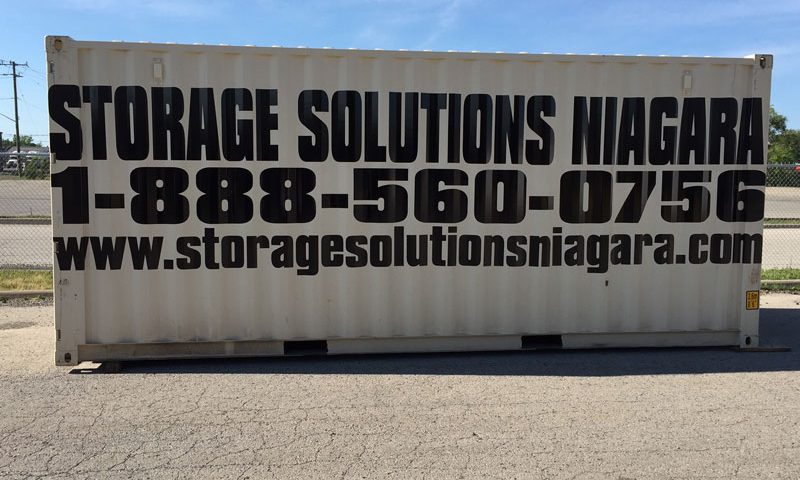
Finding enough space to store equipment, inventory, furniture, and other valuable belongings can be challenging for homeowners and businesses. Shipping container storage offers a practical and flexible solution for managing these storage needs. Designed for durability and versatility, shipping containers provide spacious storage areas for residential, commercial, industrial, and construction applications. Whether you need temporary storage during a renovation or long-term space for business supplies, shipping containers can help you stay organized and make better use of your available space.
What Is Shipping Container Storage?
Shipping container storage involves using durable metal containers to store goods, equipment, materials, and personal belongings. Originally designed for transporting cargo, these containers are commonly used for on-site storage because of their sturdy construction and convenient design.
Available in different sizes, shipping containers can accommodate a wide variety of items. They can be placed at residential properties, commercial facilities, warehouses, farms, and construction sites, provided there is sufficient space and suitable access for delivery. Depending on your requirements, you may choose to rent or purchase a container.
Benefits of Shipping Container Storage
One of the biggest advantages of shipping container storage is durability. Most shipping containers are constructed from strong steel, making them suitable for demanding environments. Their robust structure helps protect stored items from physical damage and everyday outdoor conditions. However, weather protection depends on the container’s condition, seals, and maintenance.
Another important benefit is flexibility. Shipping containers can provide additional storage space without requiring permanent construction. Businesses can use them to manage growing inventory, while homeowners can store furniture, tools, seasonal equipment, and other belongings.
Security is also an important consideration. Shipping containers typically feature solid doors that can be secured with appropriate locking systems. Additional security measures, such as lighting, surveillance cameras, and controlled access, can provide extra protection when needed.
Shipping container storage can also be cost-effective. Renting a container may help avoid the expense of building a dedicated storage structure or expanding an existing facility. Rental options allow customers to choose a storage solution that suits their budget and project duration.
Common Uses for Shipping Container Storage
Shipping containers serve many purposes across residential and commercial settings.
Residential Storage: Homeowners can use shipping containers to store furniture, household goods, gardening tools, outdoor equipment, and belongings during a move or home renovation. They can also help reduce clutter in garages and basements.
Commercial Storage: Retailers, wholesalers, and other businesses can store inventory, packaging materials, promotional supplies, and equipment. Additional storage space can help businesses manage stock more efficiently without overcrowding their main premises.
Construction Site Storage: Contractors often need a secure location for tools, building materials, machinery accessories, and supplies. Shipping containers can help keep these items organized and accessible throughout a construction project.
Agricultural Storage: Farms and agricultural operations may use shipping containers for tools, equipment, and certain supplies. Stored materials should be suitable for the container environment, with proper ventilation and moisture control where necessary.
Seasonal Storage: Businesses and homeowners can store seasonal products, outdoor furniture, recreational equipment, and other items that are not required throughout the year.
Choosing the Right Shipping Container
Selecting the right shipping container depends on the quantity, size, and type of items you plan to store. Standard containers are available in several dimensions, including common 20-foot and 40-foot options. Smaller or specialized containers may also be available through certain providers.
Before renting or purchasing, inspect the container for rust, damaged doors, worn seals, leaks, and other signs of deterioration. Consider ventilation requirements, especially if you intend to store items sensitive to condensation or temperature changes.
You should also evaluate the delivery location. Ensure the site has adequate clearance, a suitable surface, and sufficient room for the delivery vehicle. Ask the provider about rental costs, transportation charges, access arrangements, and maintenance responsibilities before making a decision.
Get More Value From Shipping Container Storage
Shipping container storage provides a versatile way to create additional space for homes, businesses, and construction projects. Its durable construction, flexible placement, and practical storage capacity make it a useful alternative to traditional storage options.
By choosing a container that meets your needs and maintaining suitable storage conditions, you can keep belongings organized and make better use of your available space. Whether you need short-term storage or a longer-term solution, shipping containers offer a convenient approach to managing storage requirements efficiently.